Being a landlord comes with a long list of legal obligations, and electrical safety sits near the very top of that list. The rules have shifted significantly over the past few years, and 2026 has brought some of the most meaningful changes to date. If you manage rental properties in Bedfordshire, whether a single home or a larger portfolio, here is a clear picture of what you are required to have in place.
The core legal requirement
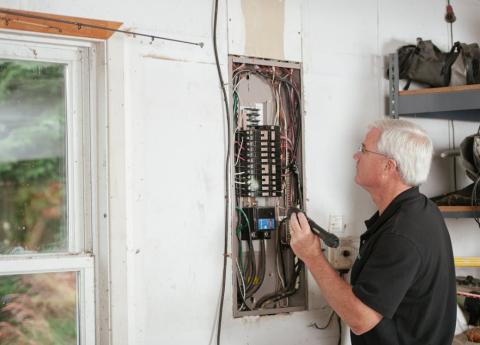
Every rental property in England must have its fixed electrical installation inspected and tested by a qualified electrician at least once every five years. The outcome of that inspection is an Electrical Installation Condition Report, or EICR. Think of it as an MOT for your wiring: a formal record of whether the installation is safe, what needs attention, and how urgently. A copy must reach your tenant within 28 days of the inspection, and the report must be made available to the local council on request. Full details are covered in the government's landlord guidance.
What changed in 2025 and 2026
Private landlords have been subject to these rules since 2021. From late 2025, the regulations were extended to cover social housing landlords as well, closing a gap that had existed for several years. For social tenancies that started before 1 December 2025, the obligations took effect on 1 May 2026, and all inspections must be completed by 1 November 2026.
Alongside this extension, the penalty ceiling was raised. From 1 November 2025, local councils can now issue fines of up to £40,000 per property for non-compliance; an increase from the previous £30,000 limit. Councils are also under a stronger statutory duty to act when an EICR flags a property that falls below the required standard. The 2025 amendment regulations set this all out.
Understanding the EICR condition codes
When the EICR is completed, the electrician uses a standard coding system to flag anything that needs attention.
- A C1 means immediate danger has been found. The installation should not be used until it is resolved.
- A C2 indicates potential danger, and remedial work must be completed within 28 days.
- A C3 is a recommendation rather than a failure, meaning the installation passes, but improvements are advisable.
- FI means further investigation is required before a conclusion can be reached.
If a C1 or C2 is recorded, the property has not passed, and the work must be done before it can be certified as satisfactory. Once completed, written confirmation must be provided to both the tenant and the local council within that same 28-day window.
What if a tenant refuses access?
This is a scenario that comes up more often than people expect. The good news for landlords is that the regulations provide protection where genuine, documented attempts to gain access have been made but refused. Making at least three evidenced requests is generally considered sufficient to establish a reasonable defence. Keep records of every attempt — dates, methods, and any responses received.
EICR renewals are due for many landlords right now
The first wave of mandatory EICRs for private landlords took place in 2021. Five years later, those certificates are expiring. With many landlords all in the same renewal window at once, demand for qualified electricians is running high across the country. It is also worth knowing that, unlike gas safety certificates, there is no anniversary rule with EICRs; renewing early resets the five-year clock rather than preserving any remaining time on the previous certificate. That said, getting booked sooner rather than later is still the sensible move.
Book your EICR in Bedfordshire
I carry out electrical inspections and condition reports for landlords across Blunham and the wider Bedfordshire area. Whether it is a single let or a small portfolio, I will provide a clear report and handle any remedial work that may be required. Call me on 07881 627 423 or drop me a message online.