Solar panels need more than just a roofer. Here is what the electrical side of a solar installation involves and why it matters just as much as the panels.
Solar panel installations are increasingly common across Bedfordshire, and the logic is hard to argue with: lower energy bills, reduced reliance on the grid, and the ability to sell surplus generation back. But the electrical side of the work is often the least- discussed part of the process, and it is every bit as important as the panels going on the roof. Here is what is actually involved.
Who does what in a solar installation?
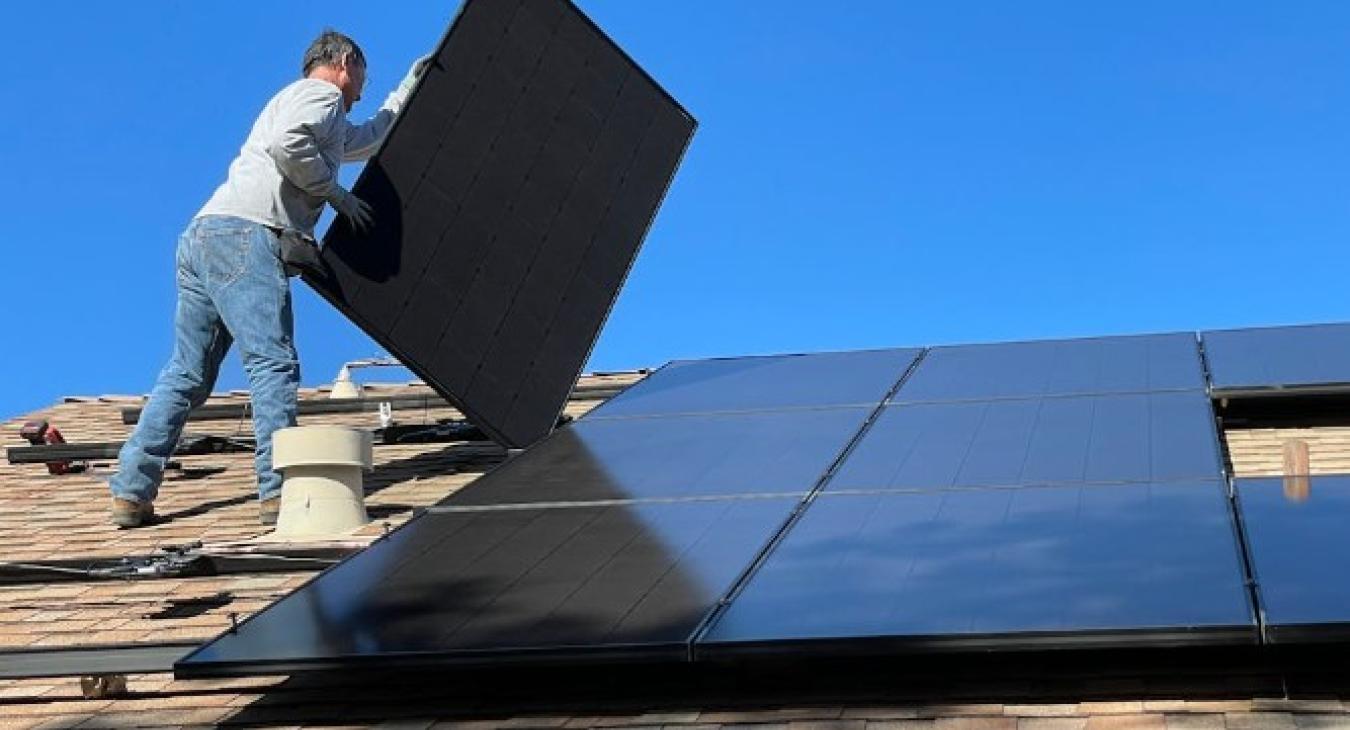
A solar installation typically involves two distinct trades working in sequence. The roofer or specialist solar installer handles the panels themselves: the frames, the roof penetrations, the mounting systems. The electrician handles everything downstream of the panels: the cabling, the inverter, the connection to the property's electrical system, the metering, and the certification. Both trades need to do their part correctly for the whole system to function safely and efficiently.
The role of the inverter
Solar panels generate DC electricity. Your household circuits run on AC. The inverter converts the DC output from the panels into the AC power that the property can use.
It is the heart of the system from an electrical perspective, and it needs to be correctly specified for the size of the array being installed. An undersized inverter limits output; an incorrectly installed one creates safety risks. Choosing and installing the right inverter is a core part of the electrician's role in any solar project.
What the electrical installation covers
- DC cabling from the roof-mounted panels down to the inverter location
- Inverter installation, typically in a garage, utility room, or accessible loft space
- AC connection from the inverter output to a dedicated circuit on the consumer unit
- Generation meter installation for homeowners registering for the Smart Export Guarantee
- Full system testing, commissioning, and certification of the complete installation
- Notification to the Distribution Network Operator (DNO) as required
Does the consumer unit need upgrading?
Sometimes. If the existing consumer unit is old, does not have sufficient spare capacity, or lacks the protection that the new circuit requires, it may need to be upgraded before the solar connection can be made. This is always worth establishing before the roofer is booked, not after. A conversation with your electrician at the planning stage can prevent delays and additional costs mid-project.
Battery storage and the 2026 regulations
Many homeowners are adding battery storage systems alongside solar panels, allowing daytime generation to be stored and used in the evening. Amendment 4 to
BS 7671, published in April 2026, introduces specific requirements for how battery systems must be designed and installed — including restrictions on certain locations within the home, such as lofts and escape routes.
Planning a solar installation in Bedfordshire?
If you are arranging solar panels and need a qualified electrician to handle the electrical side of the project, get in touch to discuss what is involved. I work across Bedfordshire and can advise on the installation, the consumer unit, and battery storage if that is part of the plan. Get in touch with CMF Electrical today!