Switching to electric? A home charge point is one of the best decisions you can make. Here is what the installation involves and what to think about first.
More cars on Bedfordshires driveways are electric every year, and for most EV drivers, home charging is how the vast majority of miles get topped up. A dedicated home charge point is faster, safer, and considerably better for your car and your circuit than using a standard plug. Here is what getting one installed actually involves and what to think about before you go ahead.
Why a standard plug is not good enough
Technically, you can charge an electric vehicle from a standard 13-amp socket, and in an emergency, that is useful. But it is not a sensible day-to-day arrangement.
Charging from a standard plug is slow: 12 hours or more for a meaningful charge on most modern EVs. Plus, it places a sustained, continuous load on a socket and circuit designed for intermittent use, not overnight sessions. Dedicated charge points charge faster and do so on a circuit that is rated for the purpose.
Which type of charger suits most homes?
The vast majority of home installations use a 7kW single-phase unit. This will bring a depleted battery back to full over a typical overnight charge, around six to eight hours for most current EVs. For drivers who cover high daily mileage and need faster turnaround, a 22kW three-phase unit is available but requires three-phase power at the property, which is not standard in most domestic settings. Your electrician can confirm what your property can support.
What the installation involves
Installing a home EV charger is not a plug-and-play job. It is a notifiable electrical installation that must be carried out and certified by a registered electrician. The work
typically involves:
- Assessing the consumer unit to confirm it has spare capacity for the dedicated circuit
- Running a correctly rated cable from the consumer unit to the charger location
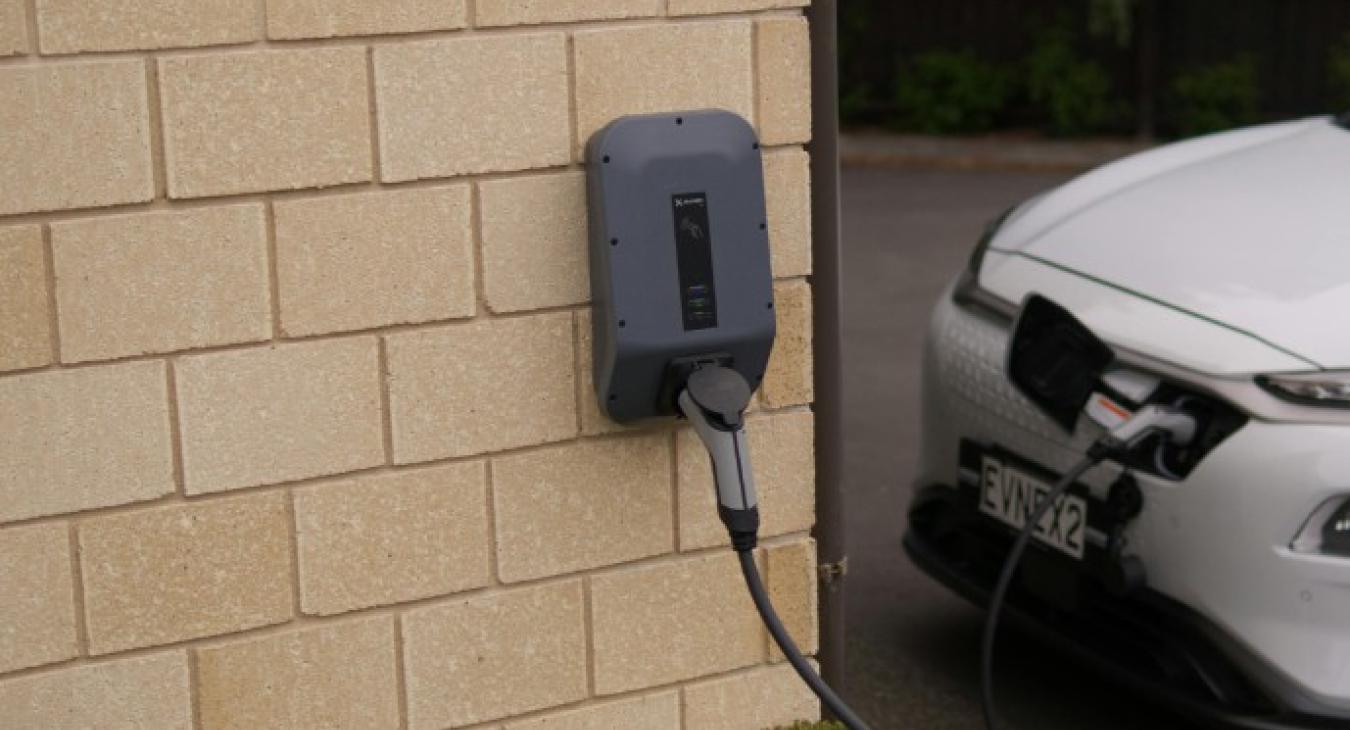
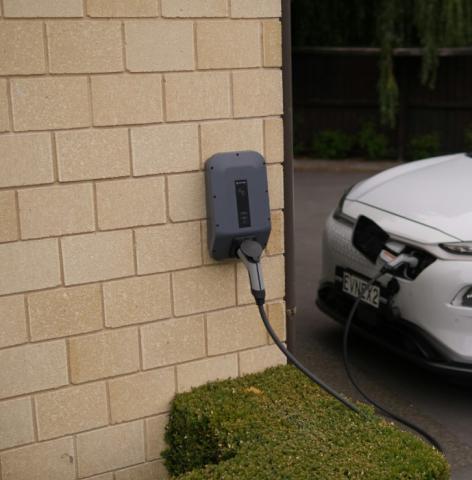
- Mounting the charge point unit, usually on an external wall or inside a garage
- Testing and commissioning the complete installation
- Issuing an Electrical Installation Certificate on completion
All work must comply with the current wiring regulations and Part P of the Building Regulations.
Government grant funding
EV chargepoint grant funding has changed several times in recent years, and the eligibility criteria and available amounts continue to shift. The current position is set
out on gov.uk, and it is worth checking before booking, particularly if you are in a flat or rental property where the eligibility rules differ from a standard owner-occupied house.
Do you need off-street parking?
You do need to be able to park within reasonable cable distance of the charge point location. This is usually a car on a driveway or in a garage, but a wall-mounted unit
with a cable long enough to reach the vehicle is a common and perfectly workable solution even without a garage. What you do not need is off-street parking in the formal planning sense — a drive will do.
Thinking about getting one installed?
I install EV charge points for homeowners across Bedfordshire. Whether you have a clear sense of what you need or you are still working it out, get in touch and I will
give you a no-obligation quote based on your specific setup. Get in touch today!